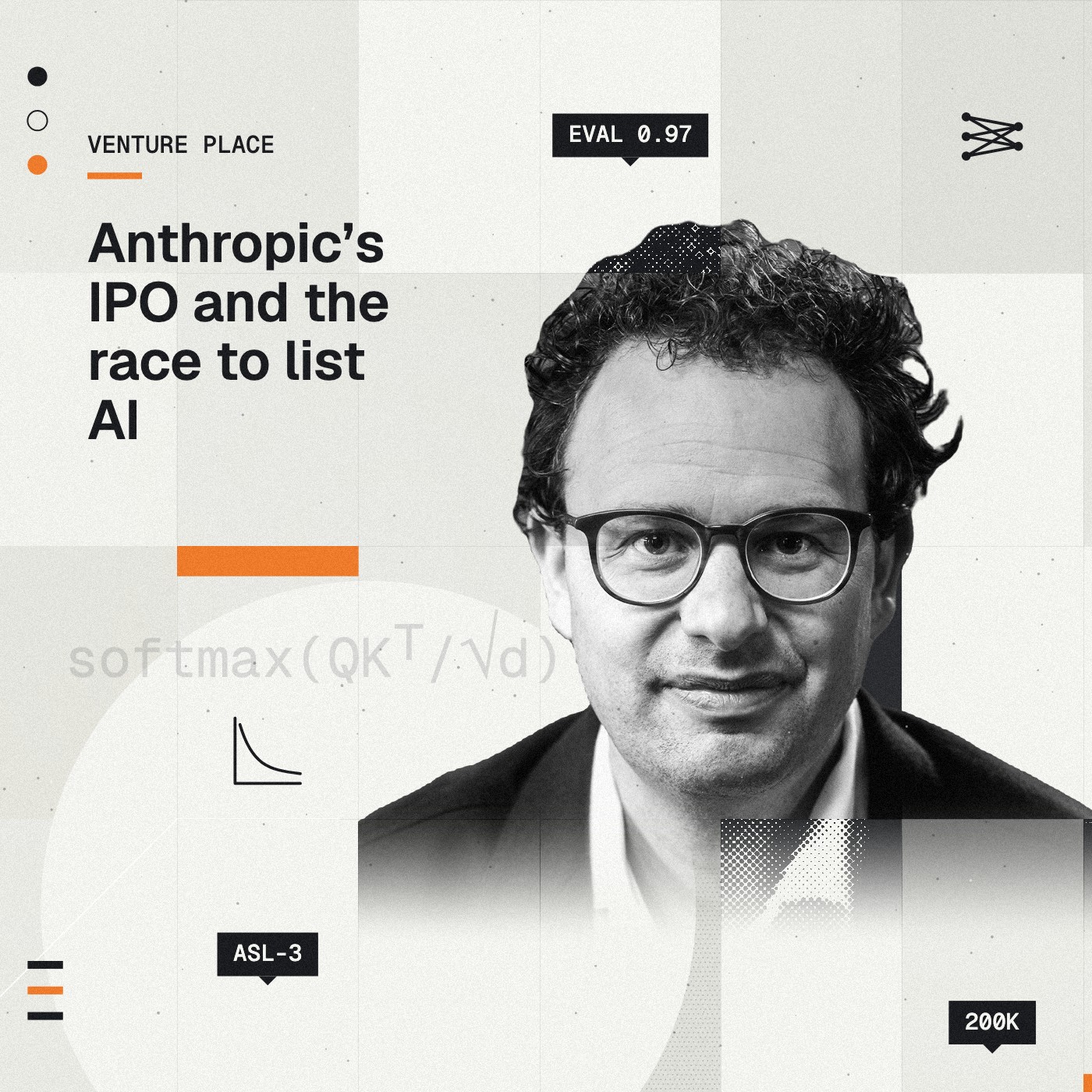
Anthropic’s IPO and the race to list AI
Anthropic may list within weeks at up to two trillion dollars, while its prospectus shows a big loss. Kirill and Kate go through what is reported and what is known, the Q3 numbers, OpenAI’s bridge round and Moonshot AI’s Hong Kong plan, and what a first public price means for every private AI round.

Transcript
Anthropic could be a public company within weeks. Bloomberg says it wants to list before Thanksgiving and raise around a hundred billion dollars, at a valuation of up to two trillion. That’s about double what private investors paid in May. And the hardest numbers we have, from the prospectus Reuters got a look at, show a loss of about forty-two billion dollars last year. So that’s what I want to work out today. When a public price finally shows up, what does it say about every private AI round that came before it?
Yeah. Two trillion is the number that’ll end up in the headlines. I’d much rather know what the first trade does to everybody else’s marks. I’m Kirill Parinov, this is Venture Place, and with me as always is Kate.
We’ll get there. But before we argue about what it means, what do we actually know? Because so far it’s all reports.
It’s thinner than it sounds. Bloomberg had it first, on October first: Anthropic wants to go public as soon as mid-November, and it had already pushed the plans back once. The size and the valuation came a few days later, from Gate News passing on the same Bloomberg story. Nasdaq, around a hundred billion raised, up to two trillion, done before November twenty-sixth. What nobody has is a filed price range. So two trillion is a ceiling people are talking about. It isn’t a price yet.
And what did private investors pay? The last real number.
The Series H, in May. Sixty-five billion dollars at a post-money valuation of nine hundred and sixty-five billion. And in February the Series G was thirty billion at three hundred and eighty.
So against February, two trillion is more than five times. In under a year.
If it prices at the top. Against May it’s about double, and honestly that’s the comparison I’d use. May is the last time investors actually wrote a check, at least in our data.
Okay, but double still needs a reason. And I think the reason is the third quarter. The Times had the number on October fourteenth: Anthropic told people looking at the IPO that it made sixteen point eight billion dollars in revenue in the quarter. One quarter. CNBC’s sources put the second quarter at about eleven point six, and the first at four point seven.
So about three and a half times in six months.
Right. And if you take the third quarter and just multiply by four, you get something like sixty-seven billion a year. At two trillion that’s about thirty times revenue. For a company growing that fast, I’m not sure thirty times is crazy. That’s the bull case, and I think it’s a pretty strong one.
It’s strong if the number holds, and that’s where I get stuck. CNBC’s sources say they were profitable on an adjusted basis. The Times has a gross margin of eighty-five percent, also after adjustments. All of that comes from the company, and none of it is audited. It might be exactly right. I just don’t know yet what adjusted leaves out, and we won’t know until there’s a public filing.
There is one document with harder numbers in it, though.
The prospectus. Reuters got a look at it in late September. Revenue last year of nearly four point six billion, up about twelve times. And a net loss of nearly forty-two billion.
Which sounds terrible, and mostly isn’t what it sounds like, right? Most of that was an accounting charge.
Most of it, yeah. CNBC said about thirty-four billion was a charge for the higher estimated value of financing that could turn into Anthropic shares. So that part isn’t cash out the door. The operating loss, Reuters put at more than eight billion. Which, I mean, is still eight billion dollars.
It is. So what actually bothers you in there?
Two numbers that sit next to each other. Five hundred and eighteen billion dollars of compute commitments. And forty-seven percent of sales going through Amazon and Google. So, um… a huge amount of spending is already promised, and nearly half the revenue comes in through two partners. That’s a lot of the business resting on a few relationships. Before I worry about the multiple, I’d want the filing to explain those two.
I’d push back on that a bit. If you’re selling to big companies, going through the clouds they already pay for is the obvious route. To me that looks like distribution.
It could be. And if the filing shows those deals are long and boring, I’ll happily drop it. But forty-seven percent through two partners is a lot of eggs in two baskets. I’d want to see it in writing.
Fair. Let’s do OpenAI, because it’s going the other way.
Very much the other way. Bloomberg, end of September: OpenAI wants to raise at least thirty billion in a new private round, at about one point four trillion. TechCrunch said it would be a bridge to an IPO, and that Sam Altman had ruled out going public this year.
Wait, wasn’t the last one supposed to be the final private round?
That’s how TechCrunch described it. A hundred and twenty-two billion at eight hundred and fifty-two, earlier this year, meant to be the last raise before an IPO. And now there might be one more. To be fair, TechCrunch also said it hadn’t confirmed the talks itself, and no investors were named.
So a bridge at one point four, after eight fifty-two. That’s a big step for a round that’s meant to be temporary.
About two-thirds higher, in less than a year. And nobody’s named an investor yet. Until somebody does, I’d read one point four as the price OpenAI is asking for.
So why stay private? If Anthropic gets a good price, isn’t that the perfect moment to follow it?
I honestly don’t know why, and I’d be careful guessing. What I’m pretty sure of is that whoever lists first hands everyone else a public reference point. After that, every private round from this year gets held up against it. OpenAI’s too, at one point four trillion.
And it isn’t only an American story. Moonshot.
Moonshot AI, yeah. Bloomberg reported on October sixth that it closed its last private round at about fifty billion, and that it’s heading for a Hong Kong IPO in the first quarter of 2027, looking at raising up to five billion. It has filed confidentially, so the timing can still move.
Fifty. And before that? I’ve seen thirty-one and a half, and I’ve seen thirty-five.
I think those are the same round. In our data the Series F, at the end of July, raised three and a half billion, at thirty-one and a half before the money and thirty-five after. And back in December 2025, the Series C put it at four point three.
Four point three to fifty in about ten months.
Mm-hm. AI Weekly, going off Bloomberg, named CICC and Goldman Sachs as joint underwriters, with Alibaba, Tencent and Meituan among the backers. It’s a different market, but it runs into the same question we started with.
So let’s answer it. Where do you come out?
If Anthropic lists on anything like these terms, I think that price becomes the yardstick for every big private AI round, Moonshot and OpenAI included. That part I’m fairly confident about. The two trillion I’m much less sure of. The growth is real enough to take seriously. But the profit is adjusted and unaudited, and the one document with harder numbers shows an operating loss of more than eight billion and nearly half the sales coming through two partners. So until there’s a filing, I’d want to—
But that’s— sorry. I’m not sure I buy the yardstick part, though. A hundred billion raised at two trillion is about five percent of the company. That’s a thin slice to price everything else off. The first price might tell you more about demand that week than about what the business is worth.
That’s the best argument against me, and it’s a fair one. What I’d actually watch is where it trades a month later, once the first-day excitement is gone. That number is much harder to argue with. But you’re right, one listing doesn’t reprice everything by itself.
And what would change your mind?
A filed price range, and audited quarterly numbers in a public filing. If they look like what the company’s been telling investors, I’ll stop worrying about the word adjusted. If they don’t, we’ll find out pretty quickly.
We’ll be watching for both. If you’ve got a question about any of this, or a company you’d like us to dig into next time, send it to us on WhatsApp. The link’s on the episode page.
We’ll take your questions in the next episode. Thanks for listening.
On screen
Mentioned in this episode

Anthropic
Anthropic reported to target IPO as soon as mid-November, raising about $100B on Nasdaq
Anthropic tells prospective IPO investors Q3 revenue reached $16.8B, up 45% from Q2
Reuters said Anthropic's IPO prospectus showed 2025 revenue near $4.6B, net loss near $42B

OpenAI
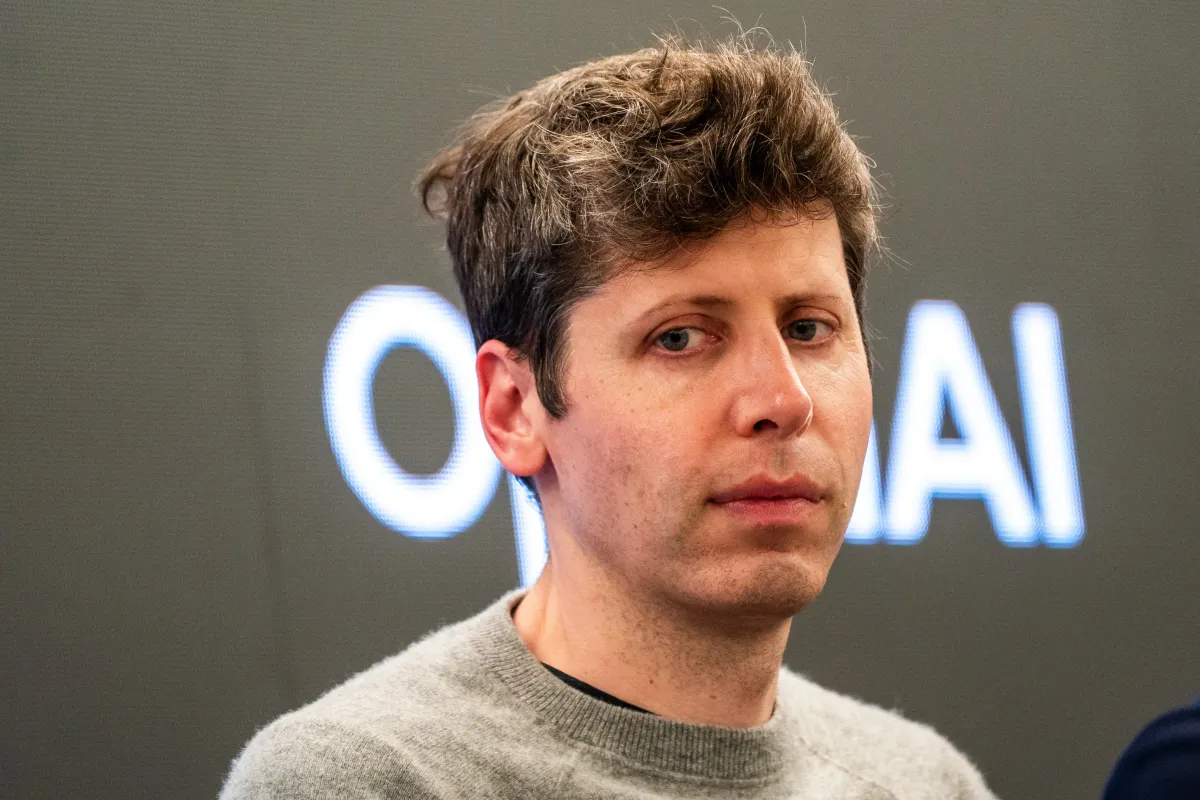
OpenAI reported to target at least $30B in new funding at about $1.4T value
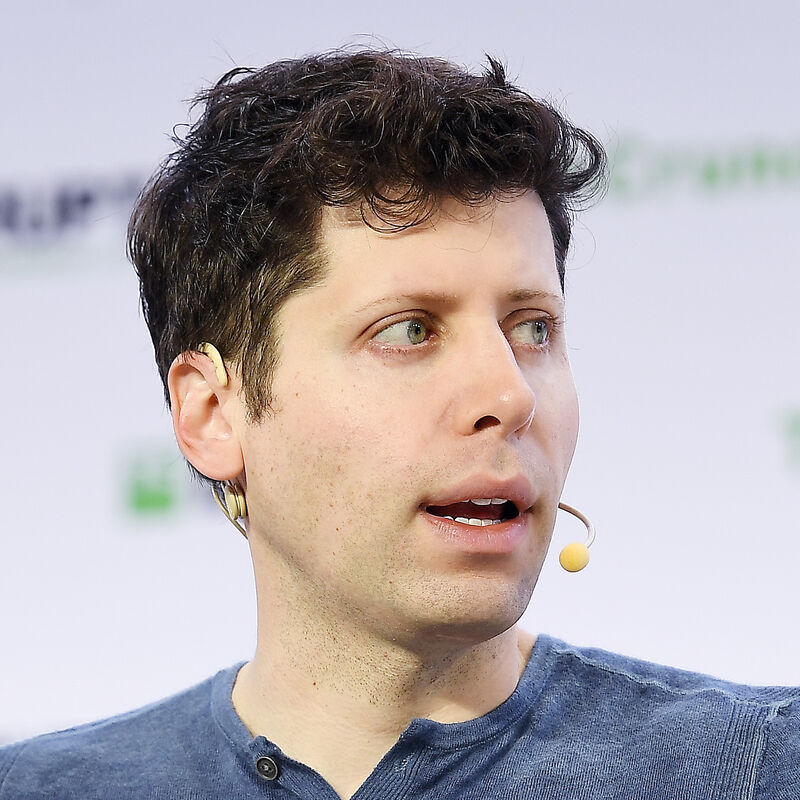
Sam Altman

Moonshot AI