TSMC Tops Q1 Revenue Forecast; Nvidia Funds SiFive, Qualcomm Buys Exostellar
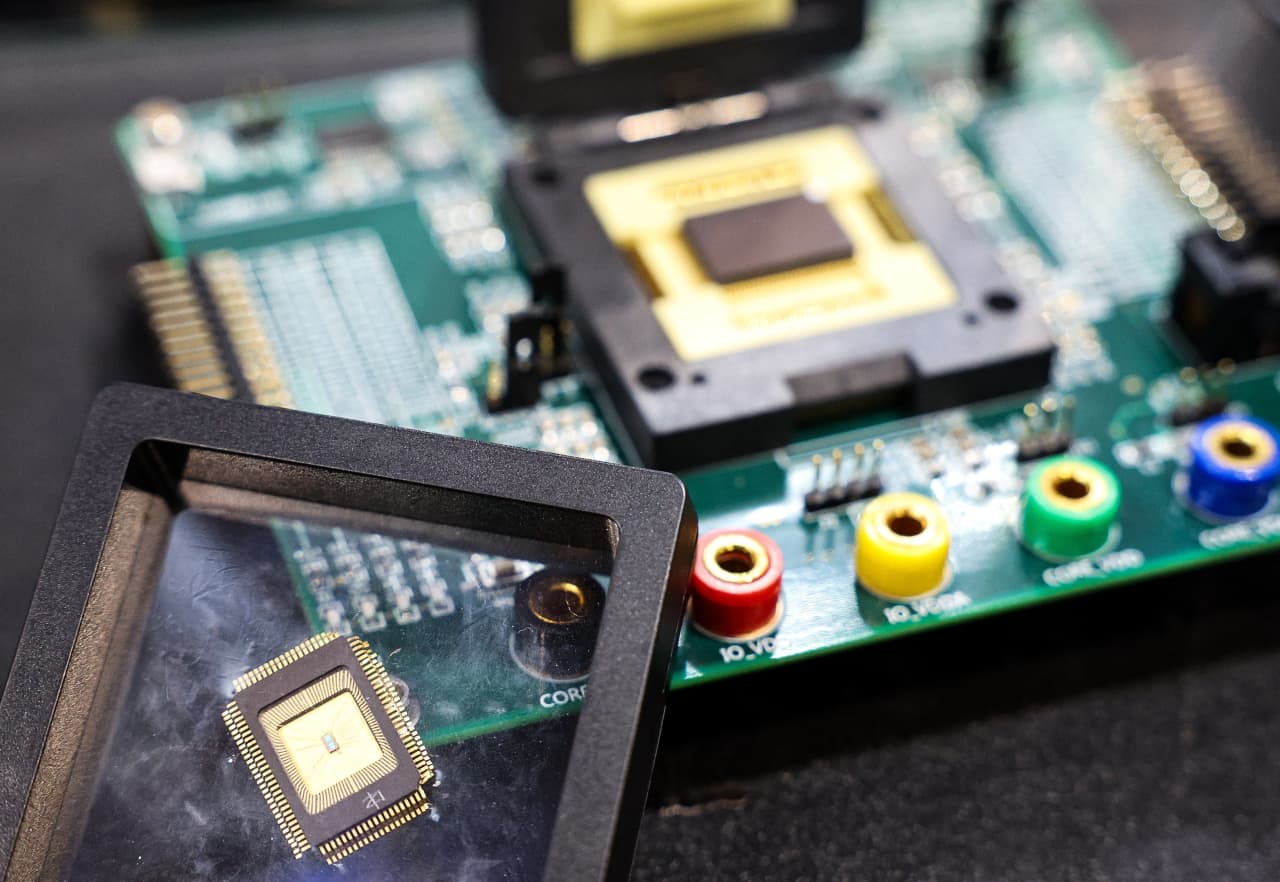
TSMC reported first-quarter revenue of NT$1.13 trillion, a 35 percent year-over-year increase, above Visible Alpha expectations. The company said demand for AI compute drove the beat, and markets responded with a modest share lift. This result signals sustained foundry demand for high-end chips despite geopolitical tensions.
Meanwhile, venture and M&A activity accelerated across the AI stack. SiFive raised $400 million in a Series G led by Atreides Management and Nvidia, at a $3.65 billion valuation. SiFive will use proceeds to develop a data-center central processor based on RISC-V. Qualcomm completed an acquisition of Cornell-origin startup Exostellar to add AI software for cost-efficient cloud and edge AI workloads.
Key Takeaways
- SiFive raised $400 million and reached a $3.65 billion valuation to build data-center CPUs, led by Atreides and Nvidia.news.cornell.edu
- Qualcomm acquired Exostellar, a Cornell spinout, to integrate AI infrastructure software into Qualcomm's product suite.bloomberg.com
- TSMC reported NT$1.13 trillion in Q1 revenue, up 35 percent year-over-year and above analyst forecasts.reuters.com
- Nvidia's investment in SiFive signals vendor interest in RISC-V designs for data-center workloads.news.cornell.edumarketwatch.com
Affected Companies

Sources

Qualcomm acquires Cornell AI software startup
Cornell Chronicle
“Reported that Qualcomm acquired Exostellar, a Cornell spinout, to add AI infrastructure software that reduces compute cost for cloud and edge workloads.”

Nvidia's Huang urges prioritizing AI breakthroughs over profit
Bloomberg
“According to this source, Nvidia's CEO urged companies to prioritize fundamental AI breakthroughs over short-term profit, highlighting infrastructure challenges for long-term leadership.”

TSMC reports forecast-beating revenue, as AI chip demand defies geopolitical tensions
MarketWatch
“Reported that TSMC's Q1 revenue rose 35 percent to NT$1.13 trillion, above analyst estimates, driven by demand for AI chips.”